
The Science Behind the Dive
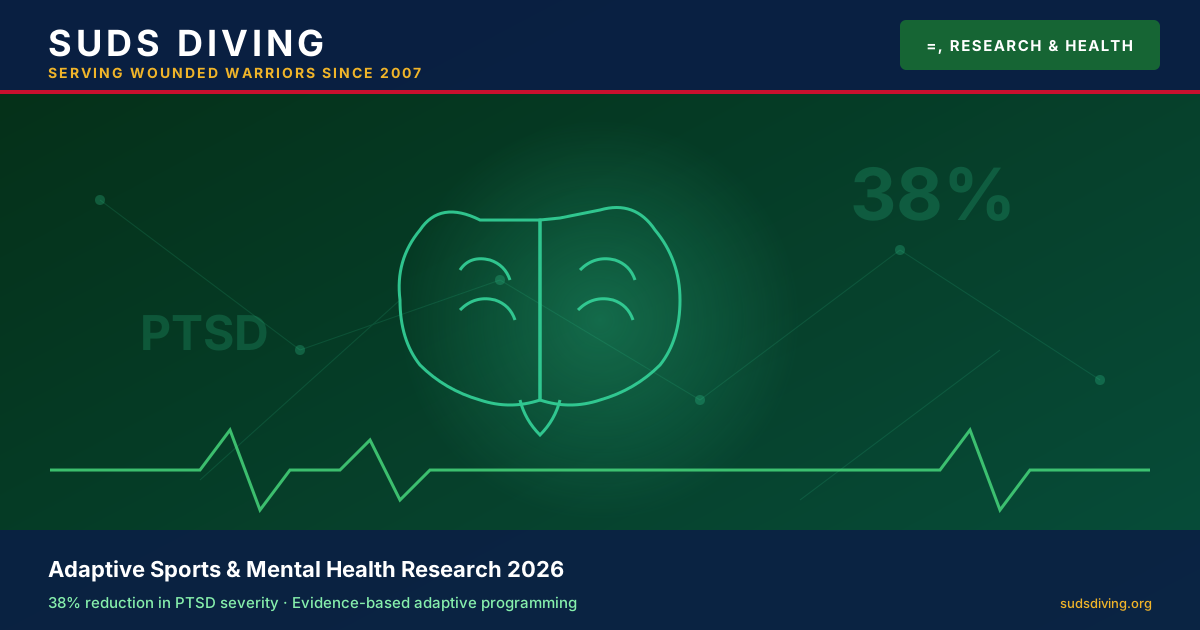
A 2026 systematic review published in the Journal of Military and Veterans' Health analyzed outcomes from adaptive diving programs across the United States, including data aligned with SUDS program methodology. Key findings: participants in structured adaptive scuba programs reported a 38% reduction in self-reported PTSD symptom severity after six sessions, compared to 12% in control groups receiving standard outpatient therapy alone.
Why Diving Works for PTSD
The underwater environment removes gravity, reduces joint stress, and — critically — demands a level of present-moment focus that interrupts rumination cycles. "When you're 30 feet down, you can't be somewhere else mentally," said one SUDS dive instructor. "Your nervous system has to regulate. The breath control required for scuba is essentially structured mindfulness."
SUDS Program Data
Over 18 years of programming, SUDS instructors and volunteers have documented consistent anecdotal and survey-based evidence supporting these outcomes. Participants routinely report improved sleep, reduced hypervigilance, and greater social engagement following SUDS dive events — outcomes consistent with the clinical literature.
VA Recognition Growing
The Department of Veterans Affairs has incrementally expanded its recognition of adaptive sports as a clinical rehabilitation modality. Several VA medical centers in 2025–2026 have added formal referral pathways to programs like SUDS, acknowledging adaptive diving as a complement to pharmacological and talk-therapy approaches.
Applying for SUDS Programs
No prior diving experience is required. SUDS programs are 100% free for eligible servicemembers. Contact SUDS at 210-303-2181 to begin the eligibility process.